Treat to the standard, not to the catalogue.
Filtration, disinfection and chemical dosing, from a packaged skid on a small system to a staged upgrade at a plant that cannot stop running.
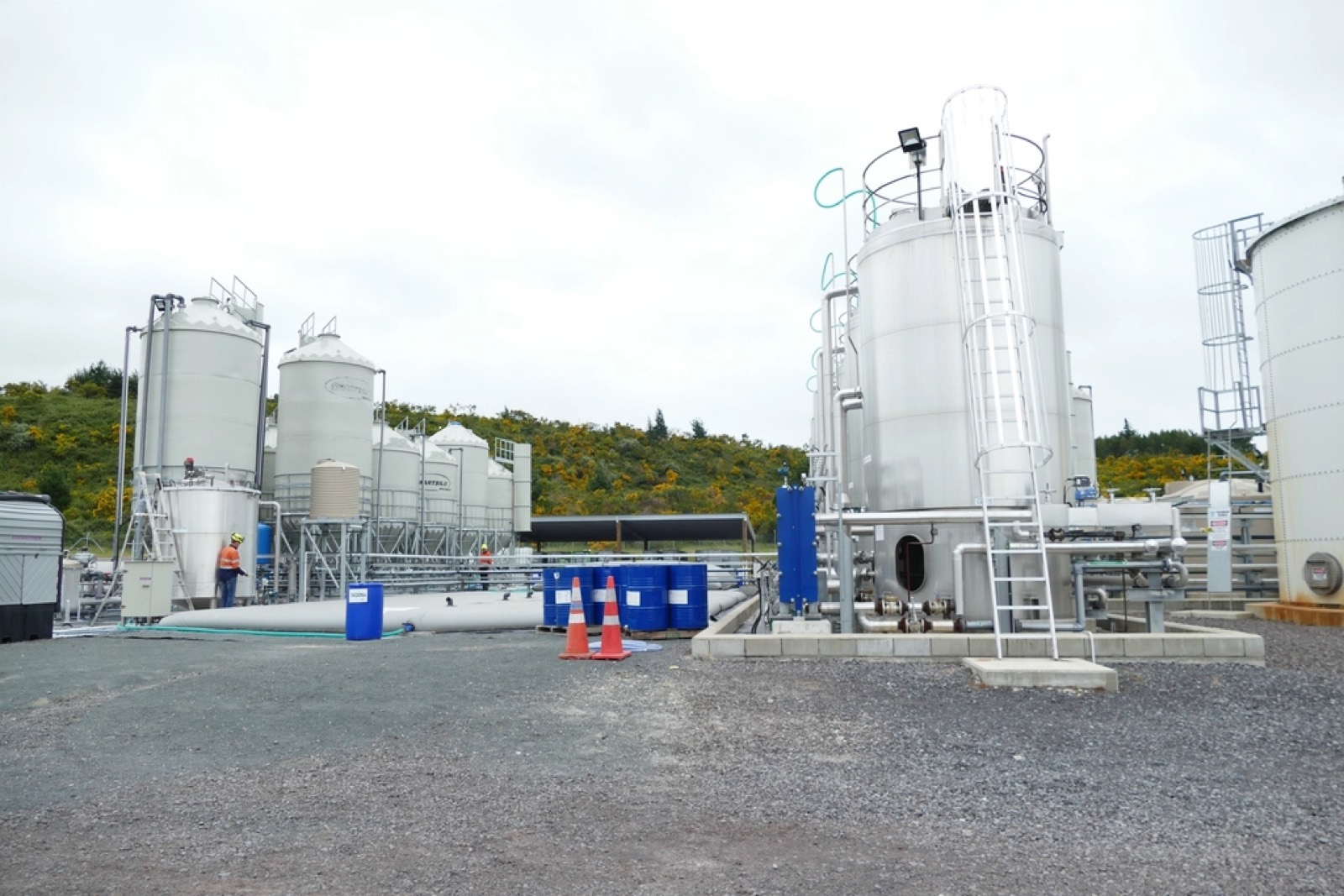
Treatment gets rebuilt for one of two reasons: a limit moved, or the equipment that met the old limit finally stopped. The first is a planning problem and the second is an emergency, and they cost very different amounts.
Almost every funding route open to a water system will pay towards treatment, because it is what the programs exist for. What decides the outcome is whether the application arrives with a defensible description of the current plant and a specification that matches the equipment actually ordered.
We specify wetted materials certified for potable use where that applies, and we stage the work around the fact that the plant has to keep producing while it is being rebuilt. Nobody gets to shut a town's water off for a fortnight.
What a project here usually includes
- Packaged filtration and membrane skids
- Disinfection: chlorine, chloramine, UV and on-site generation
- Chemical dosing, storage and containment
- Clarification, sedimentation and backwash handling
- Residuals handling and the instrumentation that proves it works
- 3
- funding routes commonly open to treatment work
- 0
- days of production we plan to lose
- 6–24
- months from first conversation to commissioned
Programs that tend to fit
Which of these applies depends on who owns the site and where it is. That is the first thing we check.
-
Drinking Water State Revolving Fund (DWSRF)
Public and community water systemsState-administered low-cost loans, and in many states a share of principal forgiveness, for treatment, storage, mains, meters and resilience work on systems that serve the public.
-
USDA Water and Waste Disposal Loan and Grant Program
Rural communities under 10,000 peopleLoans and grants for water, wastewater and stormwater systems in rural areas, with the grant share weighted towards communities with lower median household incomes.
-
Clean Water State Revolving Fund (CWSRF)
Wastewater and stormwater utilitiesThe same machinery on the wastewater side: collection, treatment, nutrient removal, and increasingly energy efficiency and reuse projects at the plant.
Tell us what moved: the limit or the equipment.
Either way the first answer is free, and it usually decides whether this is a project or an emergency.