Grants and rebates: the part everyone skips.
We match a water project to the programs it can actually claim, prove eligibility, write the application and supply equipment that holds up to an audit.
How we get a project funded
Five steps, always in this order. The first two cost you nothing and decide whether the other three are worth doing.
-
01
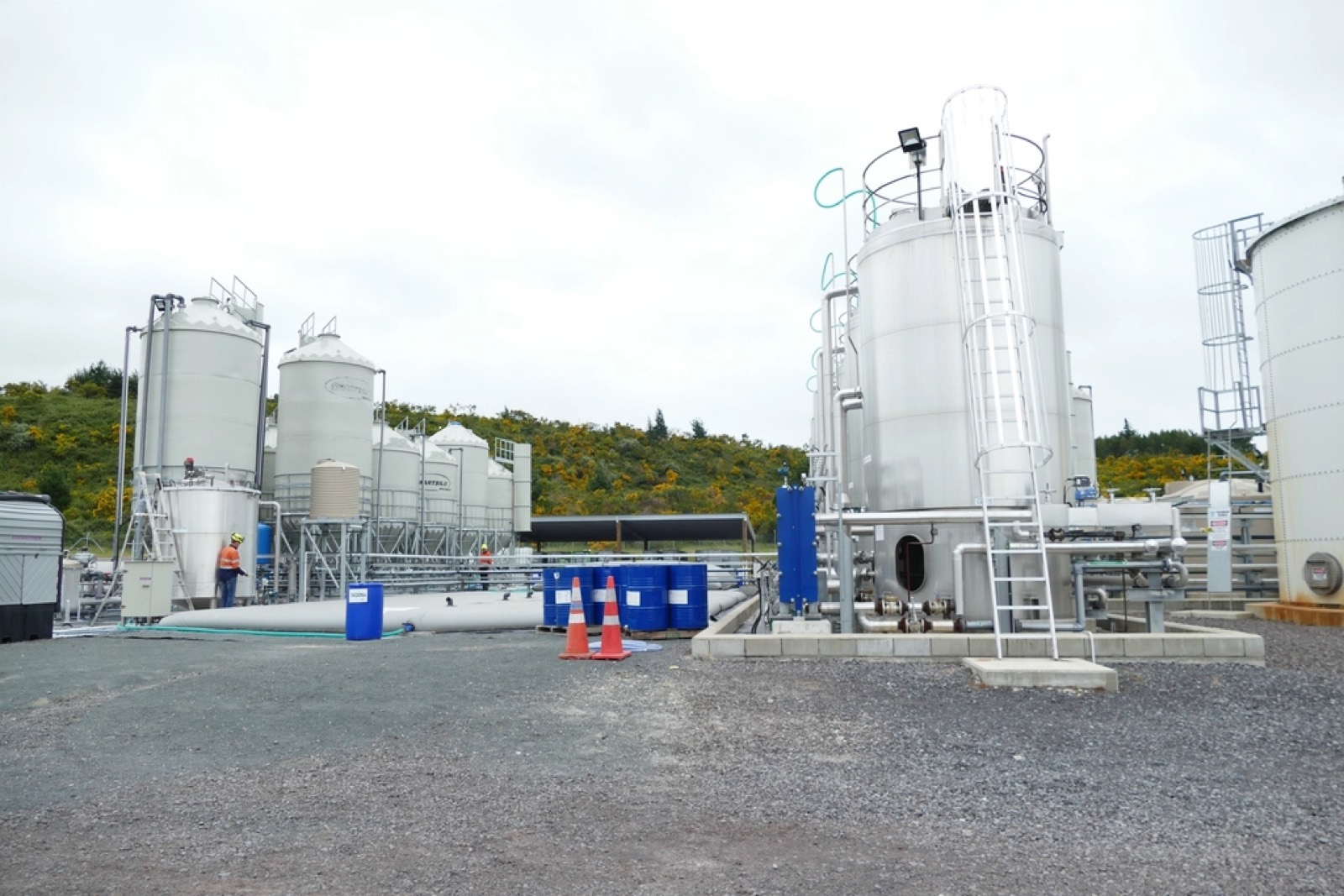
Identify funding opportunities
What we look at- State revolving funds, USDA programs and utility rebates open to your system
- Which of them are realistically winnable in this cycle
- Whether the work is better split across two applications or one
-
02
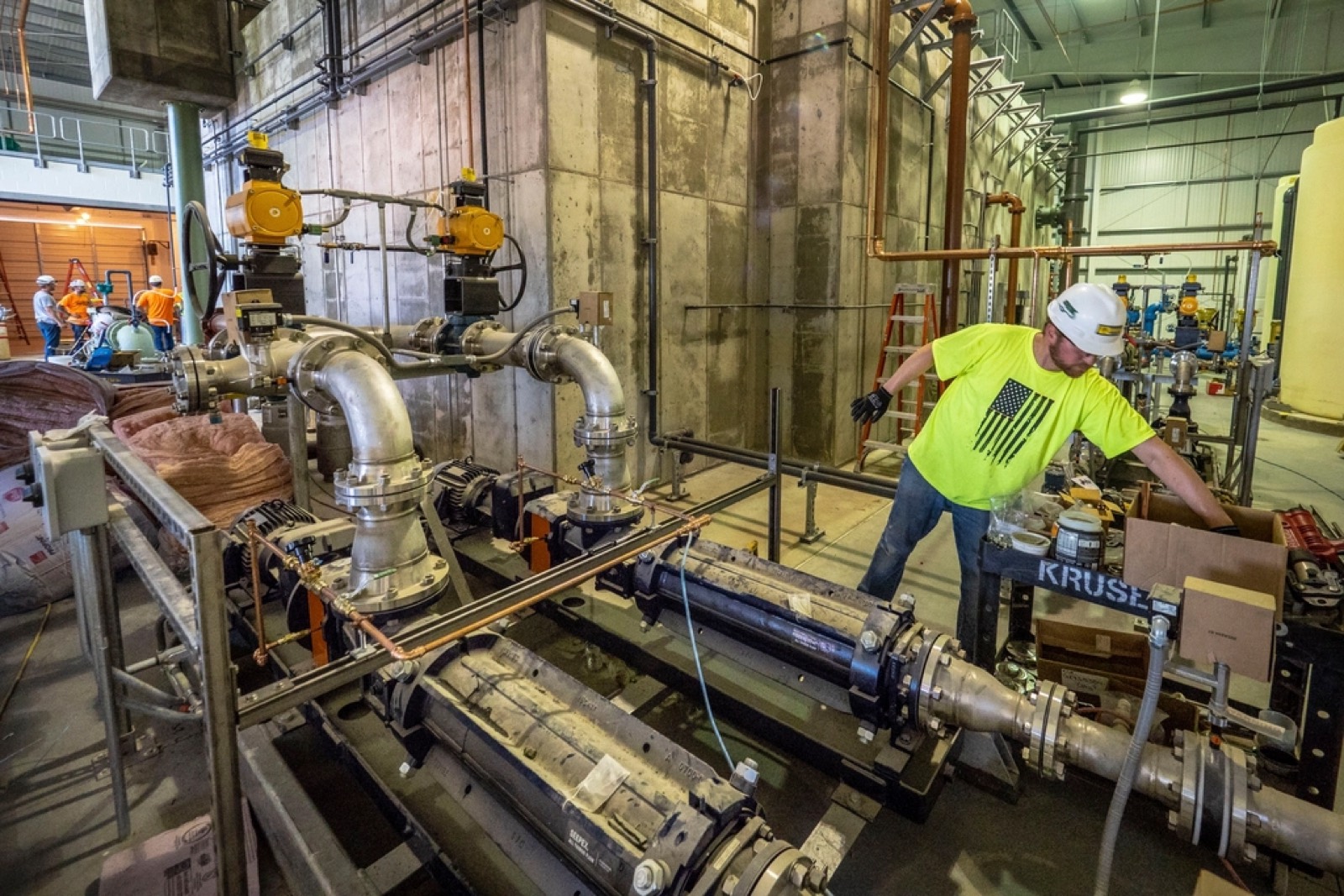
Determine eligibility
What decides it- Whether the system is public, private, investor-owned or industrial
- Population served, median household income and rurality
- Whether the project is on your capital plan and on the state's list
-
03
Application support
What we write- The metered baseline that makes the saving defensible
- Specifications, cost breakdown and the environmental paperwork
- The follow-up until there is a decision in writing
-
04
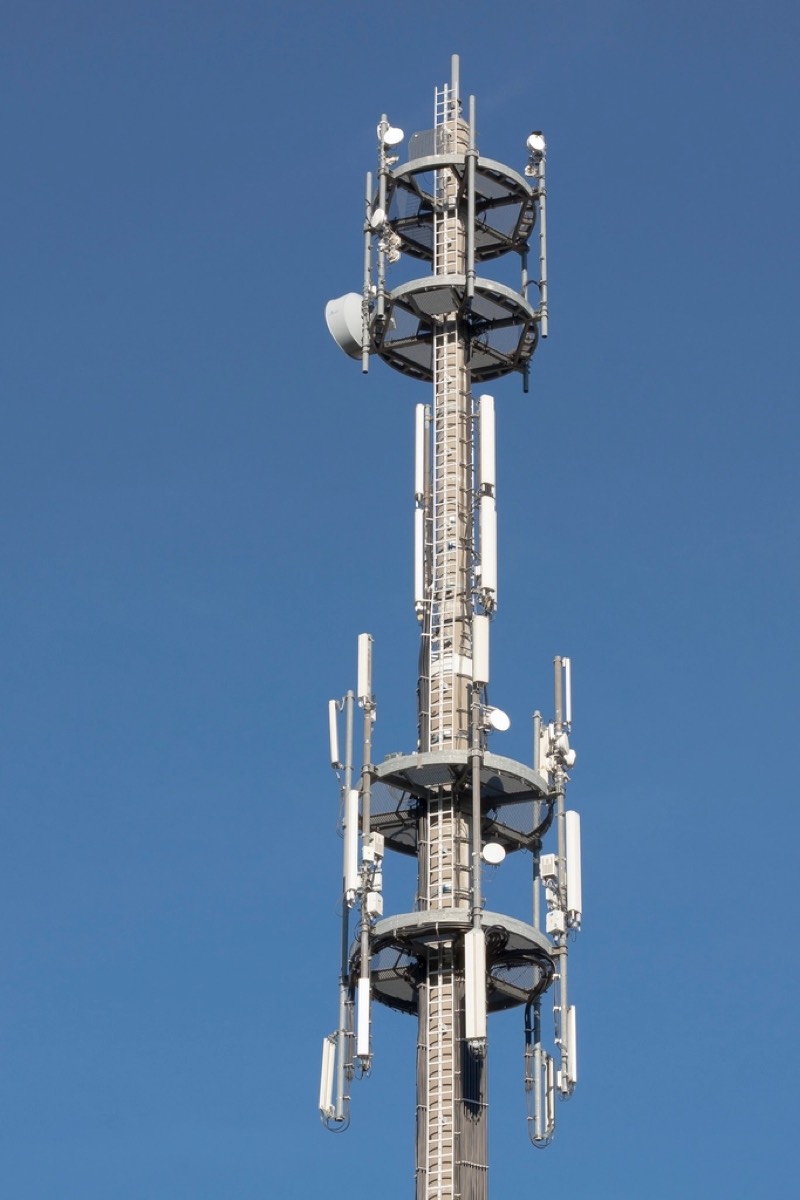
Qualifying equipment
What we supply- Equipment specified to the program threshold, not to the catalogue
- Wetted materials certified for potable use where that applies
- The model on the award is the model on the delivery note
-
05
Project implementation
What we leave behind- Delivery, installation and commissioning around your shutdown window
- Readings, invoices and photographs in one file
- Evidence the administrator accepts, so the money is released
What we need from you to start
- Who owns the system, and roughly how many connections it serves
- What is failing or undersized, even approximately
- A ballpark budget — a range is fine
- Your electric utility, and the rate class if you know it
- Whether the project is already on a capital plan
That is enough for a first answer. Nothing here commits you to anything, and we do not need account numbers or audited financials at this stage.
Where the money usually comes from
Not an exhaustive list — there are hundreds, and the state-level ones change every cycle. These are the ones that come up again and again on water systems.
-
Drinking Water State Revolving Fund (DWSRF)
Public and community water systemsState-administered low-cost loans, and in many states a share of principal forgiveness, for treatment, storage, mains, meters and resilience work on systems that serve the public.
-
Clean Water State Revolving Fund (CWSRF)
Wastewater and stormwater utilitiesThe same machinery on the wastewater side: collection, treatment, nutrient removal, and increasingly energy efficiency and reuse projects at the plant.
-
USDA Water and Waste Disposal Loan and Grant Program
Rural communities under 10,000 peopleLoans and grants for water, wastewater and stormwater systems in rural areas, with the grant share weighted towards communities with lower median household incomes.
-
Rural Energy for America Program (REAP)
Rural businesses and agricultural producersUSDA funding for energy efficiency improvements, which on a water system usually means pumps, motors and variable frequency drives rather than anything exotic.
-
State and utility efficiency rebates
Almost any metered systemPrescriptive rebates on listed equipment and custom rebates calculated from modelled savings. Pumping is often the largest electrical load a utility has, which makes it the easiest place to build a custom claim.
-
Broadband and connectivity programs
Underserved and rural locationsFederal and state support for service where wired capacity is thin. Relevant when the wellfield, the tank or the lift station has no practical way to report.
Most of these open once a year.
Tell us what your system is and we will text or email you when one it qualifies for opens — and stay quiet the rest of the time.
What we will and will not tell you
An adviser who never turns anything down is not reading the rules, they are reading your budget.
the most our estimator will ever show, however many programs appear to apply.
of the projects we look at are not worth an application, and we say so early.
The application and the equipment have to say the same thing
An application is a claim that a specific piece of equipment, at a specific site, will do a specific thing. On a water system, somebody will check it.
That is why we do not separate the funding work from the supply work. The efficiency rating on the application is the rating on the purchase order. The model number on the award is the model number that arrives on the truck. When those drift apart — a substitution during a shortage, a value engineered out late — the award can be reduced or withdrawn after the money is spent.
We also tell people to stop. Some projects are too small for the administrative burden, some systems are ineligible for reasons that cannot be fixed, and some state funds are so oversubscribed that the realistic answer is next cycle.
Hearing that in week one is worth more than a hopeful application in month six, and it is the reason the first two steps are free.
Check what your project might qualify for
Four questions and a rough number. It is a planning figure, not an offer — read the note under the result before you put it in a budget.
—
Estimated incentive valuePrograms your project may qualify for
Estimates are for planning only. They are not an offer, an application or a guarantee of award. Percentages, caps and deadlines are set by each program and change without notice; eligibility depends on the site, the owner, the equipment specified and the jurisdiction. Nothing is claimable until a program administrator says so in writing.
Asked before every application
Do you charge for the eligibility work?
No. Working out whether a project qualifies costs you nothing, and we will tell you when the answer is that it does not. We make our money supplying the equipment, which only happens if the project goes ahead.
What if we have already bought the equipment?
Then several programs are closed to you, because most require approval before purchase. Some utility rebates are still claimable after the fact. Tell us what you bought and when, and we will say which of the two you are in.
Can you guarantee we get the money?
No, and nobody who can read the rules will tell you otherwise. We can tell you how strong an application is, what usually sinks one, and whether the effort is proportionate to what is on offer.
How long does an application take?
Weeks for a utility rebate. State revolving funds run on an annual intended-use plan with a single deadline, so missing it costs a year. We tell you which clock you are on before you commit to anything.
We are investor-owned, not municipal. Does that change things?
Yes. Most revolving-fund money is aimed at public and community systems, and an investor-owned utility is usually looking at utility rebates and tax-side programs instead. It is the first thing we check.
Get a real answer on your system.
The estimator is arithmetic. A person reading your actual situation is better, and it costs the same: nothing.