You cannot fund what you cannot measure.
Flow, pressure and quality instrumentation, plus the telemetry that gets the readings somewhere a person will see them.
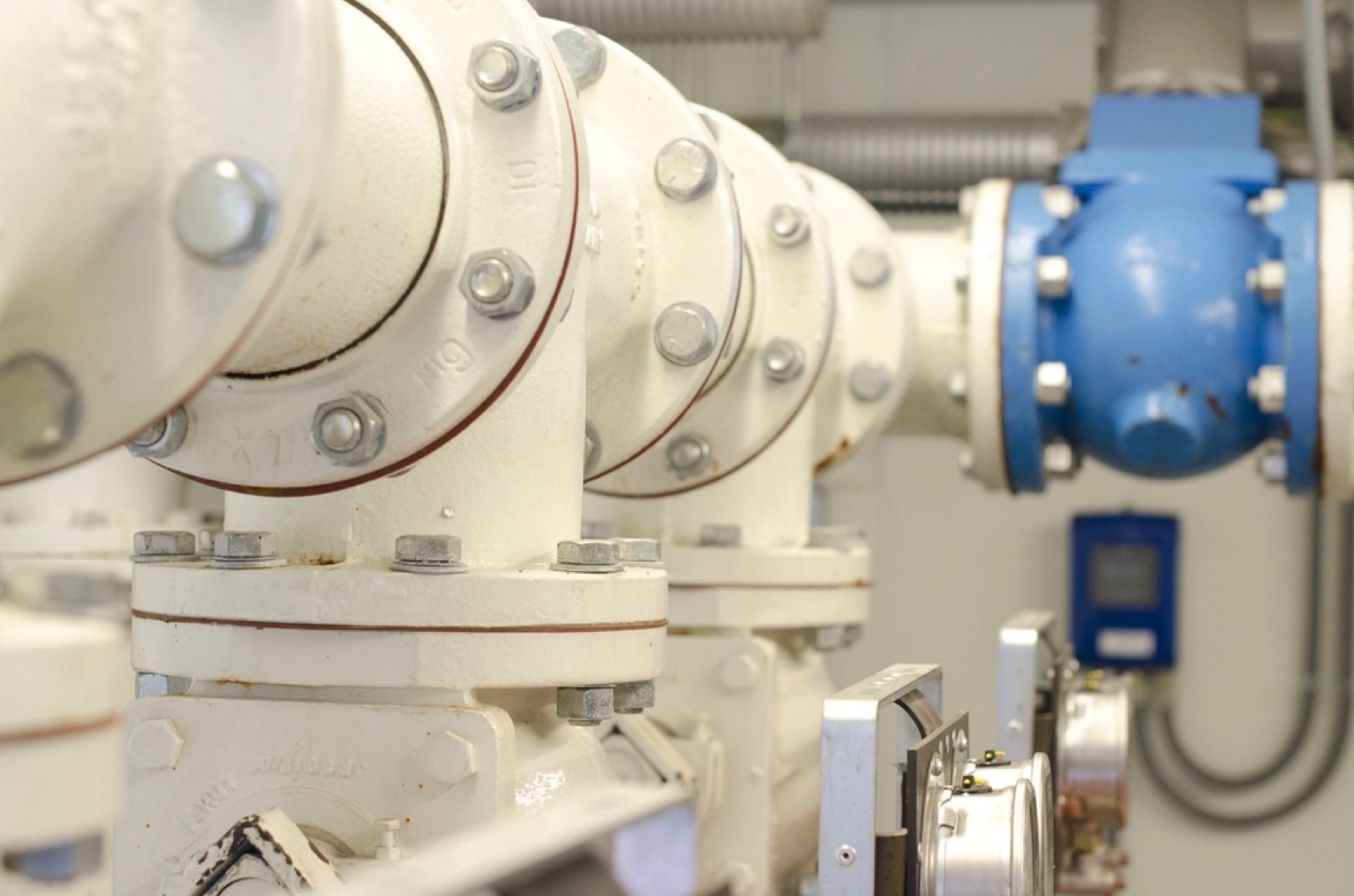
Metering is the least exciting line on any capital plan and the one that decides whether the rest of it gets funded. Every application asks for a baseline, and a baseline from a spreadsheet estimate is the one that gets questioned.
It also pays for itself on its own terms. District metering turns a system-wide loss figure into a map of where the water is going, which is the difference between replacing the right mile of main and replacing five.
We install the instrument and we make sure the reading arrives somewhere. An expensive meter reporting into a panel nobody opens is a meter that does not exist.
What a project here usually includes
- Magnetic, ultrasonic and insertion flow metering
- Pressure, level and quality instrumentation
- District metered areas and leak detection
- Telemetry and SCADA integration into what you already run
- Sub-metering so the next application starts with real numbers
- 6
- weeks of data that usually settle an argument about losses
- 2
- programs that will fund metering as a project of its own
- 1
- place the readings should land, not four
Programs that tend to fit
Which of these applies depends on who owns the site and where it is. That is the first thing we check.
-
Drinking Water State Revolving Fund (DWSRF)
Public and community water systemsState-administered low-cost loans, and in many states a share of principal forgiveness, for treatment, storage, mains, meters and resilience work on systems that serve the public.
-
Clean Water State Revolving Fund (CWSRF)
Wastewater and stormwater utilitiesThe same machinery on the wastewater side: collection, treatment, nutrient removal, and increasingly energy efficiency and reuse projects at the plant.
-
Broadband and connectivity programs
Underserved and rural locationsFederal and state support for service where wired capacity is thin. Relevant when the wellfield, the tank or the lift station has no practical way to report.
Start here if the numbers are thin.
Six weeks of real data is cheaper than a rejected application, and it is often fundable in its own right.